

Hrishikesh Hirway - In the Last Hour of Light
Couldn't load pickup availability
Why are sunsets pretty? It’s not just that the light is disappearing; it’s because of the relationship between sunlight and the atmosphere. The color blue, because of its shorter wavelengths, gets scattered away by air particles, while reds and oranges remain. The clouds catch and reflect the light.
It’s winter when I hear In the Last Hour of Light, and during these shorter days that lead to the year’s end, it becomes my soundtrack to many varied, brilliant sunsets. The clouds—in so many shapes, stretched like cotton batting, piled like snow drifts—seem soaked with pink, like watercolors pooling.
The first time I am in the same room as Hrishikesh Hirway, it is the spring of 2005. I’m a sophomore in college, on my first date with a boy at the American Legion in Wallingford. We’re there to see The One AM Radio, Hrishikesh’s moniker before he started playing under his own name. In my memory, Hrishi is alone on the dark stage, producing music that startles me: how is this possible, I wonder? The sound is layered and electronic and robust, all originating from one person. It feels as though he’s the Wizard of Oz.
Nine years later, the man who becomes my husband introduces me to his college friend Hrishi. My husband is not the same boy who drove me to Wallingford in a borrowed car, though the story would have been better that way. (Where narrative calls for neatness, life doesn’t quite oblige.)
It’s now been over a decade after meeting Hrishi properly. We have changed, as people, in ways both articulable and not. In Wallingford, my main preoccupation was if my date would kiss me. (After the show, he did.) I’m amazed by how different my priorities are at this very moment, aware that they will, someday in the future, fade into memory, too.
In The Last Hour of Light is interested in these twists of life: it’s interested in the moments and people who shape us before they vanish. These songs are about the ephemeral, and about grief in its many facets: the anguish of losing a parent, the possibility of a child, friendships lost to time. This album is about certain events in life that feel so encompassing, so consuming—even impossible to endure—and the unassuming moments, too. It’s about how all of it forms the unique constellation of a person’s life. In The Last Hour of Light is aware that the brilliant stuff of life—all the things that transform us, the people or experiences from whom we never recover—comes to us like sunsets, every single day. It’s as mundane and miraculous as that.
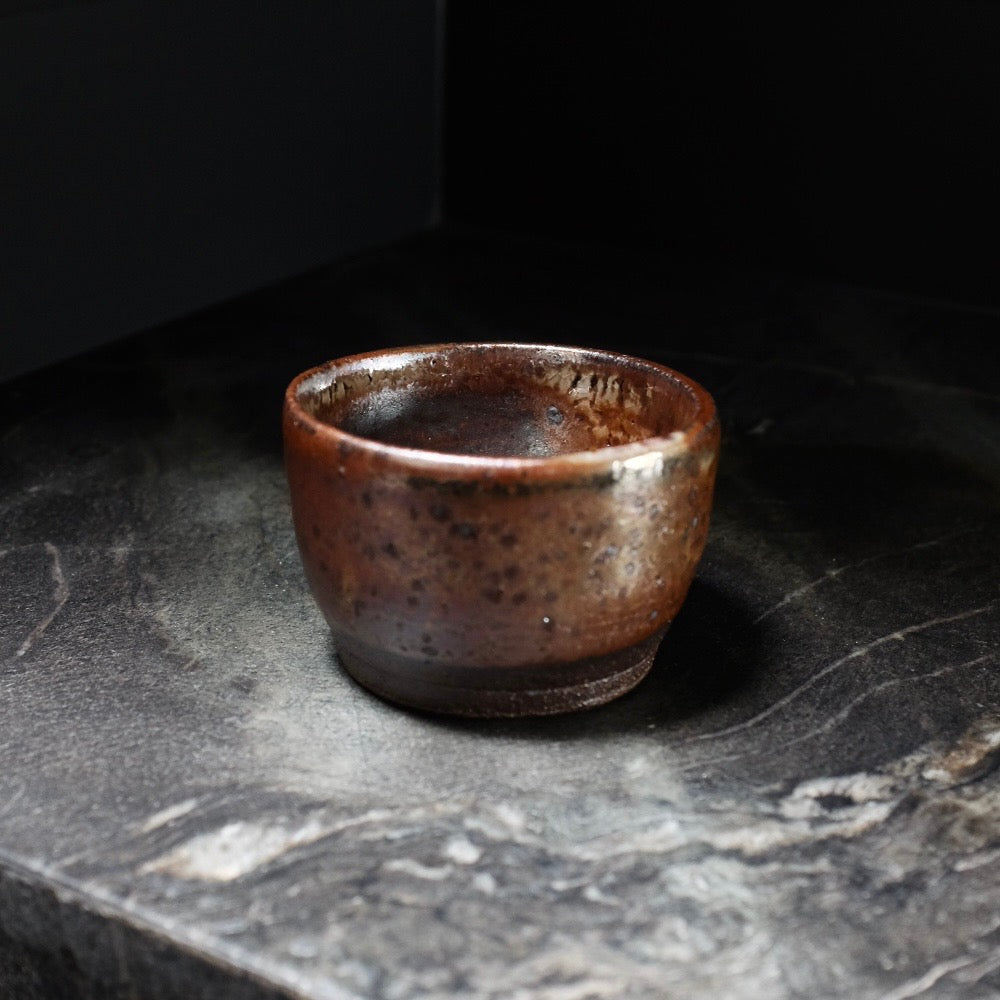
Hrishi is still a wizard. He is the genius behind so many beloved podcasts: Song Exploder, The West Wing Weekly (co-hosted with Joshua Malina), and Home Cooking (co-hosted with Samin Nosrat). Recently, he composed a brilliant soundtrack for the 2025 film, Companion. (What can’t the man do? He even makes pottery!)
As he spoke with artists on Song Exploder, Hrishi found that his perspective on music-making was changing and evolving. He was interested in creation that was less controlled and more open. He found himself moved by the work that came from deeper, more personal places. This is his first full album as “Hrishikesh Hirway” (Rooms I Used to Call My Own, an EP, was released in 2022), but it’s an album that was created far from alone. Maturing has meant collaborating with other musicians—relinquishing control to find what might come into being in the unknown. He found that songwriting with friends was a way to make difficult memories less lonely—to transform personal experience into shared art.
As The One AM Radio, Hrishi was writer, player, and producer. Now releasing music under his own name, he is no longer alone. He used a stage name partly out of fear of alienating audiences; shedding it has been a practice of vulnerability.
In The Last Hour of Light was recorded live and produced by the Grammy-nominated producer Phil Weinrobe, (Big Thief, Adrianne Lenker, Billie Marten). For the first time, Hrishi wasn’t his own producer. Before Hrishi headed to New York for studio time, Weinrobe had given him instructions: Don’t practice too much. Weinrobe wanted realness and authenticity, not performances that had been overly perfected. Initially, Hrishi was nervous about this. But he was able to loosen his grip, and open himself to unexpected results. As a result, we have this album, which is beautifully honest and open—gorgeously and achingly mortal.
This is an artist in the process of allowing time to change him. He’s learning to hold life and music a little bit more lightly—even through his practice of pottery. In the process, he’s finding beauty in the imperfect and the temporary.
In The Last Hour of Light is tinged with the temporality that makes the sunsets so beautiful. Sunsets seem like a trick—some sleight of hand, some illusion. In the end, a sunset is more amazing than a trick: it’s reality. “No gold can stay,” Hrishi sings. “Hold on til it sets.”
— Rachel Khong